Commercial Moves in Soho
Reliable office and business relocation support in one of London’s busiest districts

If you are planning Commercial Moves in Soho, you already know that moving a business in this part of central London is never a simple “load and go” job. Soho is busy, compact, highly trafficked, and full of mixed-use buildings, narrow streets, timed access restrictions, shared entrances, and tight internal spaces. That combination means a commercial move here needs careful planning, local awareness, and a team that understands how to work efficiently without disrupting your day-to-day operations.
Whether you are relocating a small creative studio, a hospitality office, a retail unit, a media company, a consultancy, or part of a larger organisation with a Soho presence, the goal is usually the same: move everything safely, keep downtime as low as possible, and get back to work quickly. A well-managed business relocation should protect furniture, IT equipment, documents, stock, and specialist equipment while also making the transition feel organised and manageable.
Soho’s location brings clear advantages for businesses, but it also creates practical challenges. Loading access can be limited, parking can be hard to secure, and many buildings have stair-only access or shared lobbies that require extra care. That is why local experience matters. A team familiar with central London can plan around these conditions and help avoid delays, missed time windows, and unnecessary stress.
Why businesses choose a local commercial moving team
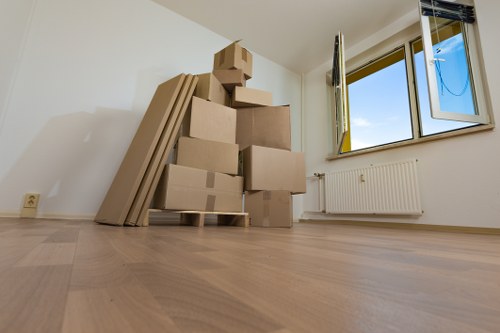
When companies search for business relocation support in Soho, they are often looking for more than just a van and a few movers. They want a service that fits around real working hours, understands commercial priorities, and can handle a variety of premises. Local teams are used to the rhythm of the West End: early starts, tight access, mixed pedestrian and vehicle traffic, and the need to keep disruption to neighbouring tenants to a minimum.
Commercial removals in Soho often involve coordinating with building managers, reception teams, contractors, and staff members who all need clear communication. A reliable mover helps reduce confusion by setting out what happens first, what needs preparing, and how items will be labelled, packed, transported, and unloaded. That structure can make a big difference when an office is closing late on a Friday and reopening in a new location on Monday morning.
Another reason customers choose a local provider is flexibility. Soho businesses often need short-notice changes, phased moves, or out-of-hours relocation work to keep the business running. A locally informed team can work around these realities and offer a service that feels practical, not disruptive. That includes early morning moves, evening work, weekend scheduling, and careful planning for buildings with restricted lift use or narrow staircases.
What makes Soho different from other parts of London?
Soho stands apart because of its density and variety. The area contains period buildings, converted offices, smaller independent business premises, modern refurbished spaces, and hospitality-led environments. Many properties have unique layouts and limited storage, which means packing and removal plans have to be tailored rather than treated as one-size-fits-all. In some buildings, even bringing in boxes requires coordination because hallways are shared with other tenants or public-facing businesses.
Types of commercial moves we help with

Commercial moving needs can vary significantly from one business to another, even within the same street. A good relocation service should be able to adapt to different property types, industries, and timings. In Soho, that often means moving small teams, creative firms, hospitality support offices, retail stock, and specialist workstations with minimal interruption.
Common commercial relocation projects include:
- Office moves for small and medium-sized teams
- Studio relocations for design, media, or production businesses
- Retail moves involving stock, shelving, displays, and fixtures
- Hospitality support office moves for admin and management teams
- Professional service relocations for agencies, consultancies, and client-facing businesses
- Partial office moves when only part of a department or floor is shifting
- Internal office rearrangements within the same building
- Archive and document moves where security and order matter most
Many customers also need help with equipment that is awkward, valuable, or business-critical. That can include desktop computers, monitors, servers, printers, filing systems, office chairs, meeting tables, stock cages, display units, and specialist items used in creative or production settings. The right team will handle these items with care and use the proper packing materials and lifting methods.
In some cases, a business may be moving from Soho to a nearby area such as Covent Garden, Fitzrovia, Mayfair, Marylebone, St James’s, or the wider West End. A local relocation crew can often manage those routes more efficiently because they already understand central London traffic patterns and building access demands.
Residential and commercial customers may both need support
Although this page focuses on business relocation, it is common for property owners and landlords in Soho to need moving help for mixed-use buildings. Some premises contain a shop or office below with flats or staff accommodation above. Others need occasional internal relocation support when tenants change or when a workspace is reconfigured. This is where a local commercial moving team can be especially useful, because they understand how to work carefully in shared or occupied properties.
What is included in a commercial move

Every business relocation is different, but customers usually want a clear idea of what the service covers. The aim is to make the process as straightforward as possible while protecting your equipment and reducing downtime. In practice, commercial moves in Soho may include some or all of the following:
Planning and coordination – discussing the move size, access points, timings, packing requirements, and any special handling needs. Good planning is particularly important in Soho because the same street may have very different access conditions depending on the time of day.
Packing and wrapping – using suitable materials for desks, chairs, screens, files, fragile items, and boxed contents. Careful wrapping helps reduce the risk of scuffs, breakages, and missing items during transit.
Disassembly and reassembly – taking apart larger furniture where needed so it can move safely through tight doorways, stairwells, or lifts, then rebuilding it at the destination.
Loading and transport – moving everything onto the vehicle in an organised way so items stay protected and are easier to unload in the correct order at the new site.
Unloading and placement – positioning items in the right rooms, work zones, or floors so your staff can begin setting up straight away.
Special care for valuable items – handling IT gear, sensitive documents, and fragile equipment with extra caution.
Optional out-of-hours moves – helping businesses reduce operational disruption by moving when the premises are closed or quieter.
How a good move is usually structured
- Initial discussion of the premises, quantity of items, and moving date.
- Assessment of access requirements, parking constraints, and building rules.
- Preparation plan for staff, packing, labels, and equipment protection.
- Move day loading, transport, and secure unloading at the new location.
- Final placement and basic set-up support so the business can resume work.
The actual service can be tailored to your needs. Some businesses want full packing support from start to finish. Others only need transport and handling. If your team prefers to pack internal files or IT equipment themselves, the moving crew can usually step in for the heavier lifting, transport, and placement tasks.
Soho access, parking, and building considerations

One of the biggest reasons businesses search for a local provider is the challenge of moving in central London. Soho’s streets are busy throughout the day, and access can be tight for larger vehicles. Some areas have loading restrictions, time limits, or pedestrian-heavy routes that need careful planning. If you are relocating a business here, it helps to choose a team that already understands the area’s practical realities.
Parking can be difficult, especially for larger move vehicles or when a site has limited loading space. In many cases, a move works best when the route, arrival time, and unloading sequence are planned around available access. That may mean starting early, avoiding peak traffic windows, or arranging a staggered loading schedule if the building is on a narrow street.
Many Soho properties also have internal constraints. Period staircases, compact lifts, fragile finishes, and shared corridors all add complexity. A careful team will bring the right equipment for moving items safely through awkward spaces and will protect walls, flooring, and doors where needed. This is particularly important in refurbished offices, heritage buildings, and leased spaces where damage must be avoided.
For businesses in neighbouring parts of central London, the same issues often appear in similar form. That includes surrounding areas such as Covent Garden, Fitzrovia, Bloomsbury, Marylebone, Mayfair, St James’s, and the West End in general. A team that regularly works across these locations is more likely to anticipate local traffic, access, and time-sensitive challenges.
Local knowledge saves time
Underestimating access issues is one of the most common causes of delay. A local relocation provider can help you plan around them from the outset, which is often far better than trying to solve them on the day. That practical insight is especially useful for businesses in mixed-use blocks, listed properties, and busy commercial streets.
How to prepare your business for moving day
Preparation is one of the simplest ways to make a commercial relocation run smoothly. Even a very capable moving team works best when the business has already made some decisions in advance. Good preparation also helps employees know what to pack, what to label, and what to leave for the movers.
Here is a practical checklist many Soho businesses find useful:
- Confirm the moving date and access times with the building manager.
- Identify lift use, stair access, and any restrictions on loading bays or temporary parking.
- Decide which items are moving, being disposed of, or staying behind.
- Label boxes by department, room, or workstation.
- Back up important data before moving any IT equipment.
- Remove personal items from desks and storage spaces.
- Separate confidential documents so they are handled securely.
- Notify staff of the schedule and any arrival or departure instructions.
- Keep essential items, such as chargers or critical paperwork, clearly marked and easy to access.
It is also worth taking photographs of key set-ups before disassembly, especially if you are moving a meeting room, reception area, or specialist workstation. Those photos can help when rebuilding the space at the new location. If you have floor plans, sharing them ahead of time can save time on move day and help the team place furniture correctly first time.
Tip: if your office has a shared mailroom, reception, or delivery area, make sure someone is responsible for coordinating access. In busy buildings, even small delays at the entrance can slow the entire move.
Pricing factors for commercial relocations
Customers often want to understand what affects the cost of a business move before they request a quote. While exact pricing depends on the details of your project, several common factors usually shape the final figure. Knowing these in advance can help you plan more confidently and compare services fairly.
Typical pricing factors include:
- Size of the move – the number of desks, chairs, boxes, and specialist items.
- Access conditions – stairs, lifts, restricted parking, and distance from the vehicle to the property.
- Distance travelled – whether the move stays in Soho, crosses central London, or involves a longer route.
- Packing requirements – full packing support, partial packing, or transport only.
- Disassembly needs – whether furniture must be taken apart and reassembled.
- Time of day – out-of-hours, weekend, or daytime moves may involve different planning requirements.
- Special handling items – IT equipment, archives, heavy furniture, artwork, or fragile displays.
- Urgency – short-notice moves can require more flexible scheduling.
When requesting a quote, it helps to be as clear as possible about the type of premises, the number of floors, any lift restrictions, and whether the move needs to happen in phases. The more detail you provide, the more accurate the estimate is likely to be. That is particularly important in Soho, where two offices of similar size can still have very different loading and access needs.
If your business is comparing providers, look beyond the headline number. A well-planned commercial removal may save time, reduce stress, and lower the risk of damage or downtime, which often matters more than choosing the cheapest option.
Requesting a quote for Commercial Moves in Soho
When you are ready, request a free quote and share the basics: move size, current and new locations, preferred date, access details, and any special requirements. A clear enquiry helps you get a service plan that matches your business rather than a generic estimate.
Why a local company is a smart choice for Soho businesses
Choosing a local moving company for a Soho relocation brings several practical benefits. The most obvious is familiarity with the area. Soho’s roads, loading arrangements, and building styles are distinct enough that local knowledge genuinely helps. Teams that regularly work in the West End know how to plan around congestion, timed access, and pedestrian-heavy streets.
Local experience also means faster responses to changes. If your move date shifts, your access window changes, or a building manager introduces a new rule, a nearby team is more likely to adapt quickly. That flexibility can be invaluable for small businesses that do not have the luxury of long project timelines.
Another advantage is communication. Moving a business is easier when the people handling it understand the pressures on your side: staff schedules, customer appointments, live operations, confidential materials, and the need to keep certain areas functioning until the last possible moment. A local provider tends to be more attuned to those realities because they see similar situations regularly.
For Soho businesses, the best move is often the one that feels almost invisible to your customers. That means the relocation happens efficiently, the workspace is ready when needed, and your day-to-day operations resume with minimal interruption.
Working around different property types
From compact upstairs offices above shops to open-plan creative spaces and service apartments used as business bases, Soho offers a wide mix of property types. A skilled mover should be comfortable dealing with all of them, including buildings with unusual layouts, limited service access, and shared common areas.
Areas covered around Soho
Commercial clients in Soho often move within the district or to nearby central London locations. A local service is well placed to handle both short-distance and wider business relocations across the surrounding area.
Common nearby areas include:
- Covent Garden
- Fitzrovia
- Mayfair
- Marylebone
- St James’s
- Bloomsbury
- Oxford Circus and the West End
- Central London business districts nearby
If your company is moving between two busy central locations, the same careful planning still applies. In fact, small distances can sometimes be more complicated than longer ones because traffic, timing, and building access matter so much more than mileage alone.
Businesses relocating from Soho to nearby commercial streets often need a team that can work discreetly and efficiently in public-facing environments. That is especially true for companies that need to avoid blocking entrances, customer pathways, or loading points for other tenants.
Frequently asked questions
How early should I book a commercial move in Soho?
It is best to book as early as you can, especially if your move needs out-of-hours timing, building coordination, or careful handling of office equipment. That said, short-notice moves are sometimes possible depending on availability and the size of the job.
Can you move businesses outside normal working hours?
Yes, many commercial clients prefer evening, early morning, or weekend moves to reduce disruption. This is often a sensible option in Soho, where weekday access and traffic can be more difficult.
Do I need to pack everything myself?
Not necessarily. Some businesses pack their own files and personal items, while the moving team handles furniture, IT, and transport. Others prefer a fuller service that includes packing support. The right option depends on your time, budget, and internal resources.
What if my building has narrow stairs or no lift?
That is common in central London and can usually be planned for. The important thing is to share access details in advance so the team can bring suitable equipment, enough staff, and the right loading strategy.
Can you help with fragile office equipment?
Yes. Fragile screens, printers, monitors, artwork, and similar items should be handled with extra care and packed appropriately. If you have specialist equipment, let the team know beforehand so they can plan properly.
Will the move disrupt my staff and customers?
Any move requires some planning, but a well-organised service can keep disruption low. Many businesses reduce impact by moving in phases or choosing times when the office is closed or quieter.
What information should I provide when requesting a quote?
Share the move date, current and new address areas, the size of the move, access details, parking or loading restrictions, and whether you need packing or furniture assembly support. The more accurate the information, the more useful the quote will be.
Choosing the right service for your business
Not every business needs the same level of support, which is why it helps to work with a team that listens first and plans around your actual needs. Some companies only need a straightforward transport service for desks and boxes. Others need a more detailed relocation package that includes packing, disassembly, secure handling of documents, and set-up at the new site. The most useful provider is the one that can adapt to your business rather than forcing you into a fixed process.
For Soho customers, the best service is usually the one that understands the area’s constraints, respects your time, and treats the move like a business-critical task rather than a routine collection. That approach is especially valuable for offices with client meetings, live production schedules, retail stock, or sensitive materials that must remain organised throughout the process.
If you are planning a move soon, think about how your team will work on the first day in the new space. Which furniture must be in place first? Which departments need immediate access? Which items can be unpacked later? These questions help shape a smoother relocation and prevent unnecessary backtracking on the day.
Contact us today to discuss your commercial relocation needs, or book your service now if you are ready to move forward. If you are still comparing options, request a free quote and use it to assess what level of support will make the process easiest for your business.
A practical local solution for busy companies
Commercial relocations in Soho are often time-sensitive, space-sensitive, and access-sensitive all at once. That is exactly why customers benefit from a mover who knows the area, plans carefully, and understands how to work around the demands of central London. With the right preparation and the right support, your move can be organised, efficient, and much less disruptive than many businesses expect.