Removals in Soho
If you are planning a move in one of London’s most energetic and tightly packed neighbourhoods, Removals in Soho need to be handled with care, good timing, and local know-how. Soho is famous for its restaurants, theatres, creative offices, studios, apartments, and busy streets, but that same buzz can make moving day more complicated than in a quieter part of the city. Narrow roads, loading restrictions, shared entrances, stair-only access, and constant foot traffic all mean your removal service has to be organised from the start.
Whether you are moving a flat near Dean Street, relocating a design studio close to Brewer Street, or shifting stock and equipment for a commercial unit near Wardour Street, the right team can make a major difference. A well-planned move reduces stress, protects your belongings, and helps you settle into the next stage without unnecessary disruption. This page explains what local customers can expect from removals in Soho, what is typically included, how the process works, and why a nearby team is often the most practical choice.
Soho moves are rarely “standard”. Many properties are compact, some are above shops or restaurants, and others are part of older buildings with tight stairways or limited lift access. That means your move may need careful handling, flexible scheduling, and a team that understands the area. If you are comparing options for Soho removals, this page is designed to help you decide what kind of service suits your situation and when it makes sense to request a quote or book in advance.
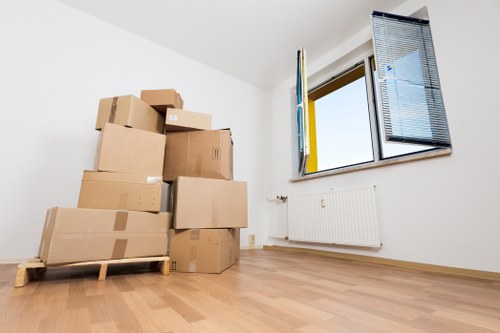
Why local removals in Soho need a different approach
Soho is not just another Central London location. It is a district where residential life, nightlife, hospitality, and creative business spaces overlap every day. That creates practical challenges for moving house or moving business premises. A team offering removals in Soho should understand that access can be unpredictable, parking may be limited, and careful coordination matters just as much as carrying boxes.
One of the main reasons local customers choose a nearby removal company is the ability to plan around the realities of the area. In Soho, that may include timed access windows, side-street loading, shared courtyards, concierge rules, or the need to move through busy pedestrian zones at specific times. A local crew can often suggest better move times and loading arrangements because they are used to working in central London conditions.
For residential customers, that might mean avoiding busy periods when pavements are crowded and access to the building is slower. For businesses, it may involve moving outside service hours, keeping corridors clear for staff and visitors, or arranging a phased relocation so trading can continue as smoothly as possible. The benefit of a local service is practical knowledge, not just a van and a few movers.

Types of removals we can help with in Soho
There is no single type of move in Soho. The area attracts a wide range of customers, and the service should adapt to the property, contents, and timing involved. A reliable removals company in Soho will usually support both domestic and commercial customers, and may offer additional help depending on how much packing or dismantling is needed.
Common move types include:
- Flat and apartment removals for residents moving within Soho or to another part of London.
- Office removals for creative agencies, production teams, consultants, and other businesses.
- Retail and stock moves for shops, showrooms, and small commercial units.
- Furniture removals for single items, bulky pieces, and fragile or awkward belongings.
- Student and short-let moves for smaller loads and flexible scheduling.
- Part-load removals where you do not need a full van or full-house move.
Each move has different requirements. A one-bedroom flat above a restaurant will not need the same planning as a full office clearance from a multi-room workspace. That is why it helps to choose a service that can adapt to your volume of items, your access conditions, and the timing you need. For many customers, the best option is a service that can handle packing, loading, transport, and placement at the destination all in one coordinated visit.
Soho removals often involve a mix of items too. For example, you may be moving a few key pieces of furniture, plus boxes of books, clothing, artwork, office electronics, or fragile decorative items. The more varied the contents, the more useful it is to work with movers who know how to plan different loading methods and protect delicate belongings during transport.

What is included in a typical removal service
A good removal service should remove uncertainty as much as it removes furniture. Customers looking for removals in Soho often want to know exactly what will happen on the day, what the team will handle, and what they should prepare themselves. While service levels vary, many local moves can include several useful stages.
Typical services may include:
- Pre-move planning and discussion of access requirements
- Loading and unloading of boxes and furniture
- Careful transport of household or office items
- Protective handling for fragile, bulky, or awkward pieces
- Furniture dismantling and reassembly where agreed
- Basic placement of items in the correct rooms or zones
- Optional packing support for customers who want extra help
Some customers only need a transport-only service, while others want a more hands-on approach. If you are leaving a compact Soho flat with limited storage, packing support can save time and reduce the chance of breakages. If you are moving an office, systematic labelling and organised loading can make unpacking faster and help staff get back to work sooner. The best service is the one that fits the scale of your move, not a one-size-fits-all package.
It is also worth asking about specialist handling if you have items such as mirrors, artwork, flat-pack furniture, sensitive equipment, or heavy archives. Soho customers often need movers who can deal with mixed contents carefully rather than rushing through a job that requires patience and attention.

How removals in Soho usually work
Most local customers want a moving process that is simple to understand. A clear, step-by-step service can make the day feel much more manageable. While every move is different, the usual process for removals in Soho follows a practical pattern.
1. Enquiry and move details
You start by sharing the key facts: the size of the property or premises, the items you need moved, the floor level, whether there is lift access, and any parking or loading issues. In Soho, these details matter because even small differences in access can affect timing and vehicle choice.
2. Planning and preparation
Once the details are known, the move can be planned around your building access and any restrictions. This may include advising on the best time of day, estimating how many movers are needed, and discussing whether packing materials or dismantling tools will be required.
3. Moving day arrival
On the day, the crew should arrive ready to work efficiently. In a central area like Soho, punctuality and preparation are especially important because delays can quickly affect the whole schedule. If access is tight, the team may need to move carefully between the vehicle and the property entrance.
4. Loading and transport
Items are loaded in an organised way to reduce risk during transit. Heavier items are secured first, fragile belongings are protected, and boxes are placed so that they are easy to unload in the correct order. Good loading is especially valuable in Soho because many moves involve stairs, tight entrances, and short carrying distances that still require care.
5. Delivery and placement
At the destination, your belongings are unloaded and placed where needed. If you have requested dismantling or reassembly, that can be completed as part of the service. For office moves, this stage may involve positioning desks, chairs, filing cabinets, and equipment in the correct working areas.
This structured process helps local customers feel more in control. It also allows the moving team to stay efficient while reducing disruption to neighbours, staff, or other building users. For many Soho customers, a smooth move is as much about timing as it is about physical carrying.

Local access, parking, and building challenges in Soho
One of the biggest reasons people search specifically for removals in Soho is the complexity of the area. Soho’s streets are busy and often constrained, with a mix of older buildings and commercial frontage that can make loading difficult. This is not a place where you want a removal crew turning up unprepared.
Common local challenges include:
- Restricted parking and the need to plan vehicle positioning carefully.
- Narrow streets that make it difficult for larger vehicles to manoeuvre.
- Stair access in older buildings with no lift or with small internal landings.
- Mixed-use premises where homes, offices, and businesses share entrances or corridors.
- Busy foot traffic that slows loading and requires careful handling.
- Time-sensitive access rules for some buildings and commercial properties.
Because of these issues, it is often helpful to choose a team that has experience working in Central London rather than a general service that is unfamiliar with the area. The difference may show up in how they plan the vehicle size, how they prepare for stairs, or how they manage waiting time if access is temporarily blocked. Local experience can save both time and stress.
For customers moving out of serviced apartments, top-floor flats, or compact offices in Soho, this kind of local understanding is especially valuable. It can help prevent last-minute problems and make it easier to keep the move on track even when the street is busy or the building layout is less than straightforward.
Residential removals for Soho flats and apartments
Soho has a wide range of residential properties, from compact studio flats to larger apartments in converted buildings or mixed-use developments. Many homes in the area are designed for city living, which often means limited storage, smaller lifts, shared entrances, and little room to stage boxes before moving. For that reason, residential removals in Soho need a calm, efficient approach.
If you are moving home in Soho, the first step is usually to think about what you are taking and how it will be carried out. A one-bed flat can still contain awkward furniture, fragile lighting, artwork, kitchen items, and bags of essentials. A removal team that understands urban apartment moves can work through these items systematically, reducing the chance of damage or confusion on the day.
Customers often appreciate help with heavier pieces such as wardrobes, sofas, bed frames, dining tables, and white goods. If you live in a building with narrow corridors or multiple stair flights, it becomes even more important to measure carefully and prepare any large furniture for movement in advance. A local removals company can often advise whether dismantling is the better option before the move begins.
Useful tips for flat moves
- Label boxes by room so unloading is quicker.
- Set aside essentials for the first night in a separate bag.
- Check lift access and booking requirements with your building management.
- Measure larger furniture against hallways, stairs, and door frames.
- Reserve any required parking or loading permissions in advance where applicable.
These steps can save a surprising amount of time on moving day. They also make the experience less disruptive for neighbours and building staff. If you are searching for Soho removals because you need help with a flat move, booking early is often a smart move, especially around busy periods when many residents are relocating at once.
Office and commercial removals in Soho
Commercial customers in Soho often need a more structured type of move. Offices, studios, retail units, hospitality businesses, and creative workspaces each come with different priorities. In many cases, the aim is to relocate items with minimal interruption to business activity. That can mean moving outside trading hours, splitting the move across more than one visit, or carefully planning the order in which items are removed.
Office removals in Soho may involve desks, chairs, monitors, IT equipment, filing cabinets, archives, samples, stock, and specialist tools. Commercial customers often also need help with labelling and organisation so that teams can resume work quickly at the new location. A good removal team will focus on order, protection, and efficiency throughout the process.
For retail and hospitality businesses, timing can be especially important. Soho is a fast-moving district, so businesses may need removal work completed with limited disruption to staff, suppliers, and customers. This is where local experience is useful again: a team that already understands central loading conditions can plan around the realities of the area more effectively.
What commercial customers usually value most
- Minimal downtime
- Clear labelling and item organisation
- Safe handling of equipment and stock
- Flexible scheduling where possible
- Efficient loading and unloading
Whether you are moving a small office suite or a larger workspace, the goal is the same: keep the relocation efficient, protect the contents, and help people get back to work quickly. If you are arranging removals in Soho for a business, it is sensible to plan early and allow time to discuss access, timing, and the type of items being moved.
Preparation checklist for a smoother move
Good preparation makes a big difference, especially in a busy central area. The more organised you are before moving day, the easier it is for the removal team to work efficiently. This is true whether you are moving a home, a shop, or a workplace in Soho.
Before the move
- Confirm what is being moved and what is staying behind.
- Sort items into categories such as fragile, heavy, or priority.
- Pack and label boxes clearly.
- Disassemble small furniture if you can do so safely.
- Arrange access details, including entry codes or building instructions.
- Keep essential documents, keys, chargers, and personal items separate.
- Remove items from shelves, walls, and surfaces before the team arrives.
It is also useful to tell the removals company about any difficult access points in advance. If a lift is out of action, if there is a steep staircase, or if there is only a narrow window for loading, the team can plan for that more accurately. The better the information, the smoother the move.
For busy Soho customers, preparation is not about making the job harder for yourself; it is about making the removal day faster, safer, and less stressful. Even small tasks completed beforehand can have a big impact on how well the move goes.
What affects the cost of removals in Soho?
Customers often want to understand what shapes the price of a move before they request a quote. While exact figures depend on the details of your relocation, several common factors usually influence the cost of removals in Soho. Knowing these in advance helps you compare services fairly and choose the right level of support.
Pricing is typically affected by:
- Volume of items - more belongings usually mean more time and space.
- Access conditions - stairs, narrow hallways, or limited parking can increase labour time.
- Distance of the move - whether you are moving within Soho or elsewhere in London.
- Service type - packing, dismantling, and reassembly add to the scope.
- Timing - peak days or restricted access windows may affect planning.
- Special items - heavy, fragile, or unusual items may need extra care.
It is always better to describe your move honestly and in detail. If a property has no lift, if a staircase is tight, or if the building has specific access rules, that information helps avoid delays and makes the quote more accurate. The same is true for office relocations where there may be IT equipment, archives, or sensitive stock.
When comparing providers, focus on what is included and how carefully the move is planned, not only on the headline number. A cheaper option that does not understand Soho’s access challenges can end up being inconvenient or time-consuming.
Why choose a local company for Soho removals?
There are many reasons local customers prefer a nearby mover when booking removals in Soho. The most obvious is local knowledge, but the benefits go further than that. A company used to working in the area is more likely to understand the pace of Central London, the practical difficulties of access, and the importance of tight scheduling.
Here are some of the advantages of choosing a local team:
- Better understanding of local access conditions
- More realistic planning for loading and parking
- Experience with both residential and commercial moves
- Faster response to changing circumstances on the day
- Practical advice based on local working experience
In a busy area like Soho, those advantages can make a move noticeably easier. A local service is more likely to recognise that not every street, building, or entrance works in the same way. It is also more likely to appreciate that customers often need flexibility rather than a rigid, one-size-fits-all approach.
If you want removals in Soho that feel organised and manageable, local experience should be high on your checklist. It can be the difference between a move that feels chaotic and one that feels well controlled.
Areas covered near Soho
Customers booking removals in Soho often also need help moving to or from nearby parts of Central London. Because the area sits close to several well-known districts, it is useful to choose a service that can comfortably handle nearby destinations as well as local streets within Soho itself.
Nearby areas commonly included may involve:
- Covent Garden
- Mayfair
- Fitzrovia
- Bloomsbury
- Marylebone
- St James’s
- West End locations
- Chinatown and surrounding central districts
Many Soho customers move between these central neighbourhoods because they are linked by work, lifestyle, and business activity. A local removals team should be comfortable with short-notice access planning, different building styles, and the demands of moving between busy districts. Whether your destination is another apartment, a studio, or a commercial space, nearby coverage helps keep the service efficient.
Frequently asked questions
Do I need to pack everything myself?
Not necessarily. Some customers prefer to pack their own boxes, while others want help with the full packing process. If you are short on time or have fragile items, packing support can be a useful addition. For busy Soho households and businesses, this can reduce pressure before moving day.
Can you handle stairs and buildings without lifts?
Yes, many Soho properties involve stair access or older building layouts. This is one of the reasons local experience matters. Letting the team know about stairs in advance helps them prepare the right equipment, staffing, and timing.
Are evening or weekend moves possible?
Depending on the service and building access, some moves may be possible outside standard weekday hours. This is especially relevant for commercial customers who need to minimise downtime. Discuss timing early so the move can be planned around any restrictions.
What if I only have a few items to move?
Smaller moves can often be arranged too. If you only have a few boxes, a sofa, office chairs, or selected furniture pieces, a part-load or smaller removal service may be suitable. This can be a practical choice for compact Soho flats and small business relocations.
How far in advance should I book?
As early as you can, especially if your move is time-sensitive or involves difficult access. Soho is a busy district, and popular dates can fill quickly. Booking in advance gives you more time to organise packing, parking, and building arrangements.
Can business moves be arranged to reduce disruption?
Yes. Many commercial moves are planned in stages or scheduled outside peak trading times. If you are relocating an office, studio, or shop in Soho, it is worth explaining your operating hours and any concerns about downtime during the enquiry stage.
Ready to arrange removals in Soho?
If you are planning a local move, the most helpful next step is to request a quote and share the details of your property, contents, and timing needs. Whether you are moving a flat, an office, or a smaller set of items, a well-planned service can save time and make the day much easier to manage.
Contact us today to discuss your move, ask about what is included, and find out how the service can be tailored to your situation. If you already know your moving date, book your service now so your move in Soho can be organised with the right level of planning and care. For a local, practical approach to removals in Soho, the best time to start is before the moving day gets too close.
When you choose a team that understands Soho’s property types, access issues, and busy streets, you give yourself a much better chance of a straightforward move. That is the value of working with people who know the area and know what local customers need.